
Key Takeaways
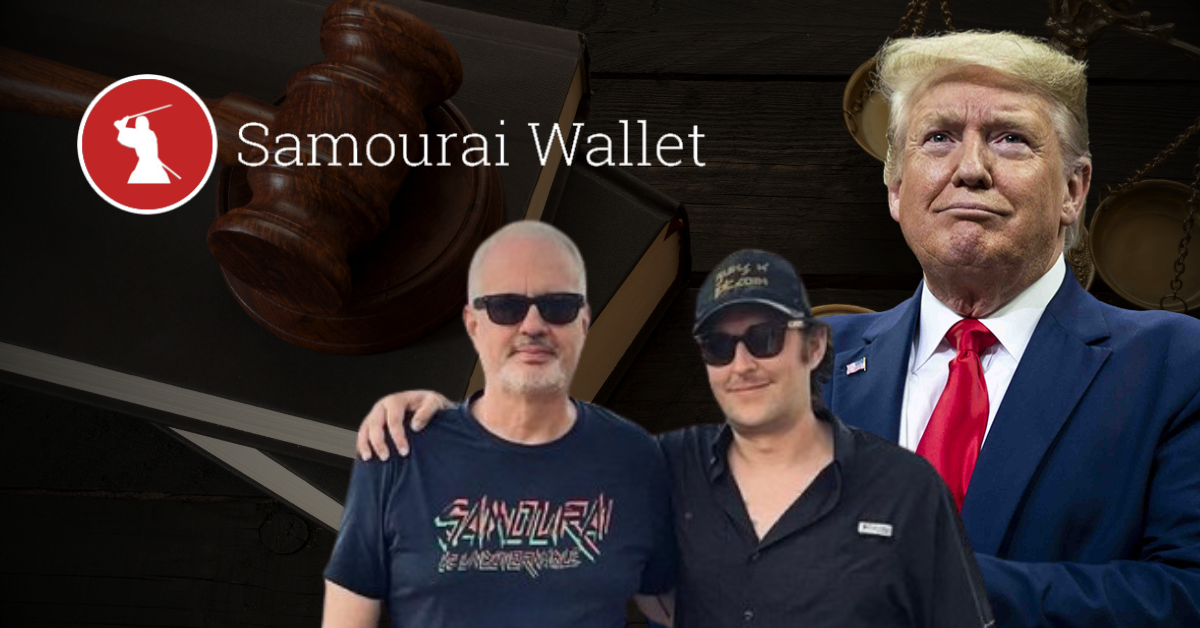
- US President Donald Trump stated he will review the case of Samourai Wallet co-founder Keonne Rodriguez, who was recently sentenced to five years in prison for operating an unlicensed money transmitter.
- Rodriguez, who is due to begin his sentence shortly, expressed optimism, believing that the “continued noise” from supporters and Trump’s own experience with a “weaponized” DOJ will lead to a presidential pardon.
- The case has drawn criticism from crypto privacy advocates and civil liberties groups who argue the conviction threatens the principle of financial privacy and the development of open-source software (“code as speech”).
President Trump Considers Leniency for Crypto Privacy Advocate
In a move that signals potential leniency for crypto-related legal convictions, US President Donald Trump has announced he will review the case of Keonne Rodriguez, the convicted co-founder of the privacy-focused Samourai Wallet. When asked about Rodriguez at a White House press conference, Trump stated, “I’ve heard about it, I’ll look at it.” This indication of a possible presidential pardon follows recent similar actions, including the pardons granted to Binance founder Changpeng “CZ” Zhao and Silk Road founder Ross Ulbricht.
The cost for Samourai Wallet’s privacy tools just got very real: co-founders Keonne Rodriguez and William Lonergan Hill were handed down prison sentences of five and four years for their roles in the Whirlpool mixing protocol. The prosecution argued that the wallet’s features—built specifically to erase a Bitcoin transaction trail—were used to wash over $100 million in dirty money, leading to convictions for conspiracy to commit money laundering and running an unlicensed money-transmitting business.
The Political Angle and the Plea Deal Regret
As he heads to prison this week, Keonne Rodriguez posted a thank you to his supporters, saying the public “noise” around his case is actually working to gain serious political attention. In a recent chat, Rodriguez made it clear he believes President Trump—a man who understands what a “weaponized” Department of Justice (DOJ) feels like—will grasp the full context of his case and the regulatory overreach involved.
That political “Hail Mary” is strange, though, considering the co-founders pleaded guilty back in July to the lesser charge of running an unlicensed money transmitter (a choice Rodriguez later regretted).
That plea was pure damage control: they were trying to dodge a potential money laundering conviction that carried a 20-year maximum sentence and a brutal, $7 million-plus appeal battle. Facing an initial threat of 25 years, the guilty plea was a tough, practical way to cap their time.
A Line Drawn on Code as Speech
The arrests of the Samourai Wallet and Tornado Cash co-founder Roman Storm have kicked off a huge, ideological showdown in crypto: How far does “code as speech” go? Privacy die-hards argue that writing and releasing open-source software is a form of free expression, and these prosecutions are creating a “chilling effect” that will scare developers away from building any privacy tools.
The DOJ’s stance is simple: the developers knew they were enabling crime, essentially running a privacy tool as an illegal money-transfer business. But now, with Donald Trump promising to review the case, this legal battle has become seriously political. His willingness to side with arguments for software freedom and privacy rights could set a massive precedent for all future crypto prosecutions, proving that the executive branch has a say in what software developers can and cannot build.
Final Thoughts
President Trump’s decision to review Keonne Rodriguez’s case provides a beacon of hope for crypto privacy advocates and developers facing legal jeopardy. While Rodriguez awaits the outcome, the case continues to serve as a critical test of whether the creation of privacy-enhancing code is a protected act of speech or a prosecutable offense in the United States.
Frequently Asked Questions
What was Keonne Rodriguez convicted of?
He was convicted of operating an unlicensed money-transmitting business in connection with the Samourai Wallet crypto mixing service.
Why did Rodriguez plead guilty?
He pleaded guilty to avoid facing a potential sentence of up to 25 years in prison for the more severe charge of conspiracy to commit money laundering.
What is the “code as speech” argument?
It is the legal argument that the creation and publication of open-source software code, like Samourai Wallet, is a form of protected free speech under the First Amendment.