
Key Takeaways
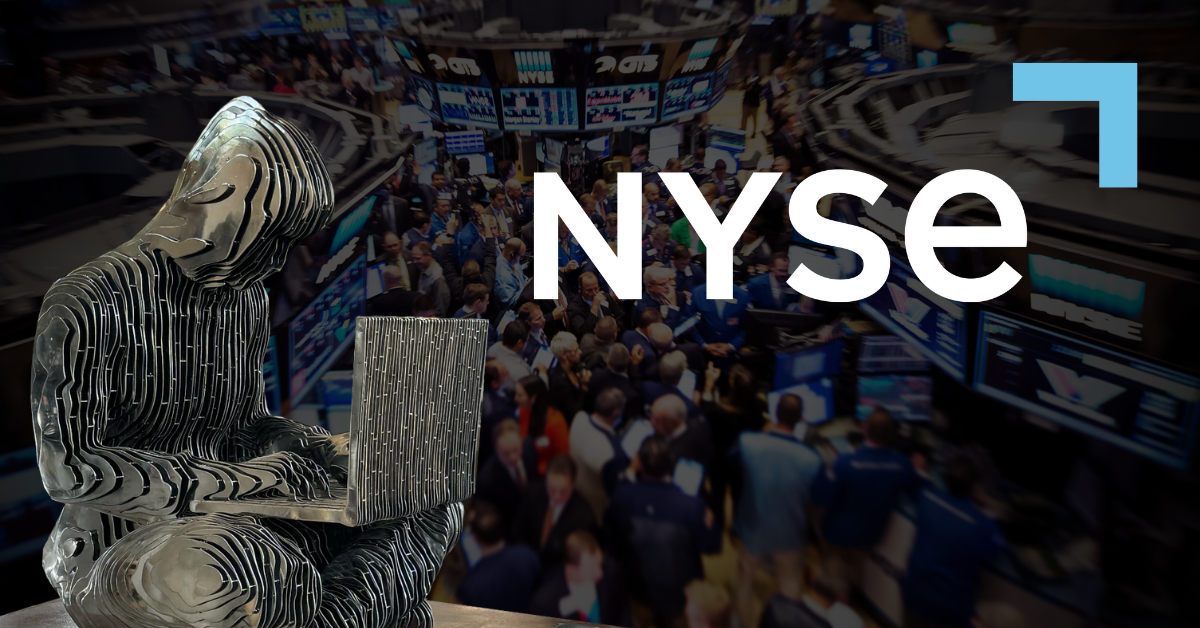
- A “disappearing” Satoshi Nakamoto statue by artist Valentina Picozzi has been installed at the New York Stock Exchange (NYSE), the sixth of 21 planned installations globally.
- The statue’s placement at the NYSE is hailed as a striking symbol of the crypto industry’s shift from niche concept to a mainstream asset class embraced by Wall Street.
- The installation, coinciding with the anniversary of the Bitcoin mailing list launch, was executed by Bitcoin firm Twenty One Capital, further underscoring the integration of Bitcoin culture into established financial venues.
The Disappearing Satoshi Lands on Wall Street
The New York Stock Exchange (NYSE), long regarded as an impenetrable fortress of traditional finance, has become the site of a profound cultural and financial landmark: the installation of a Satoshi Nakamoto statue. The sculpture, created by Italian artist Valentina Picozzi and known for its “disappearing” design, is the sixth of 21 planned pieces to be placed globally, and its arrival on Wall Street is a powerful symbol of Bitcoin’s transition from a fringe thought experiment to a core asset in the global financial system.
The statue was installed by the Bitcoin company Twenty One Capital, which began trading this week, timing the event to coincide with the anniversary of the Bitcoin mailing list that Nakamoto launched on December 10, 2008.
The NYSE acknowledged the installation in a post, calling it “shared ground between emerging systems and established institutions,” officially sanctioning the presence of the elusive Bitcoin creator’s tribute within its premises. Picozzi, expressing her awe, noted that placing a tribute to Satoshi at the NYSE represents an achievement that few in the early crypto community could have ever dreamed of.
From Taboo to Trillion-Dollar Asset
The fact that the NYSE is now showcasing a Satoshi Nakamoto statue speaks volumes about Bitcoin’s long, painful fight for respect. Remember the early days? Major banks and financial giants wouldn’t touch it, viewing it with deep skepticism and even trying to suppress it (think of the chilling effect of Operation Chokepoint 2.0).
But the narrative is completely broken now. Hardcore skeptics, like BlackRock’s Larry Fink, have publicly changed their minds, and Wall Street has gone all-in. You see this adoption everywhere: massive Bitcoin ETFs, and entire countries and corporations putting it directly into their treasuries. Today, the total stash held by public entities, governments, and ETFs is staggering—over 3.7 million Bitcoin, worth more than $336 billion. Bitcoin isn’t a fringe asset anymore; it’s a global financial heavyweight.
A Tribute to Transparency and Decentralization
The statue itself is a piece of high-concept symbolism, crafted by Picozzi to give you a sense of “disappearance,” perfectly capturing the mystery of the creator, Satoshi Nakamoto. The artist suggests the founder is actually “in the lines of the Bitcoin code,” giving the world its first decentralized money. The image—a figure with a laptop—is less about one person and more about a tribute to all the programmers and developers who fought to build the Bitcoin network on principles of freedom and transparency.
The choice to plant 21 statues worldwide is definitely a shout-out to the 21 million Bitcoin supply cap—the core reason the currency is scarce. With statues already placed in places like El Salvador and Miami, putting the latest one inside the New York Stock Exchange is the ultimate statement.
It confirms that the technological vision of Satoshi Nakamoto has officially invaded the heart of established, traditional finance.
Final Thoughts
The installation of the Satoshi Nakamoto statue at the New York Stock Exchange is a monumental sign of the times, symbolizing the full circle journey of Bitcoin from a whitepaper concept to an institutionalized asset. It confirms that the lines between traditional finance and decentralized digital assets are permanently blurred.
Frequently Asked Questions
Who is the artist behind the Satoshi Nakamoto statue?
The statue was created by Italian artist Valentina Picozzi.
What is the significance of the statue’s location at the NYSE?
It symbolizes the mainstream acceptance of Bitcoin and its shift from a taboo concept to an institutional asset on Wall Street.
How many Satoshi statues are planned globally?
The artist is committed to placing 21 statues around the world, referencing Bitcoin’s supply limit.