

Key Takeaways
- Brian Armstrong has refuted reports of a fallout with the Trump administration, describing recent negotiations as “super constructive.”
- The delay in the CLARITY Act markup is intended to give the industry time to reach a compromise with community banks.
- Armstrong warned that the current draft remains “catastrophic” for DeFi and stablecoin rewards, prompting the call for a better draft.
Coinbase CEO Brian Armstrong Denies White House Fallout
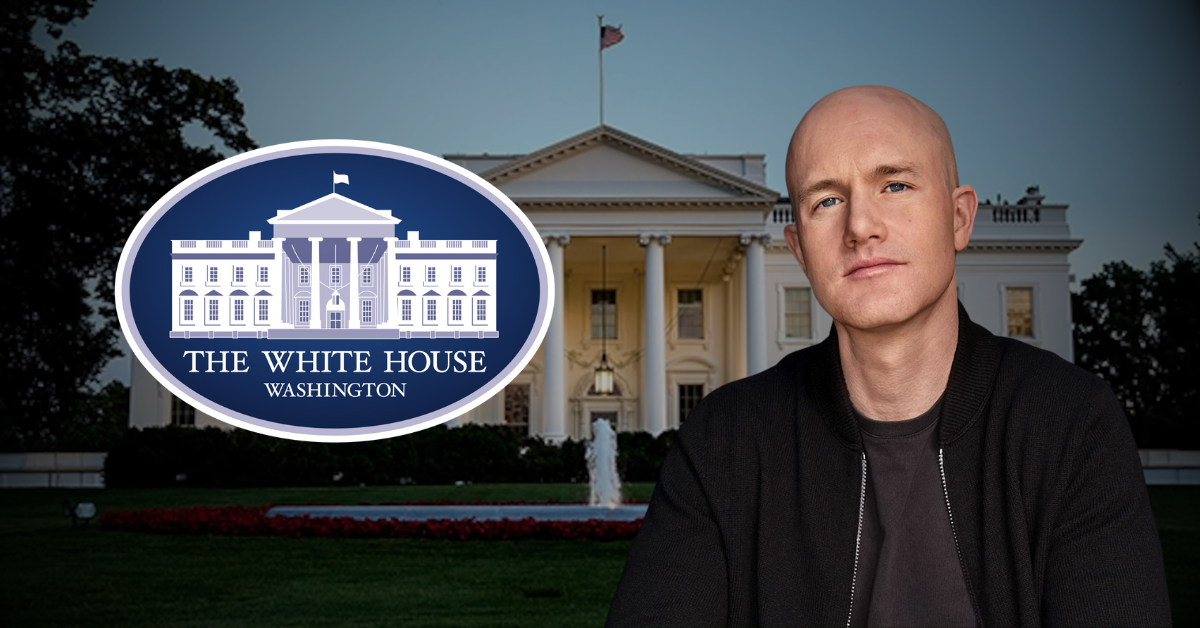
Brian Armstrong is officially setting the record straight: there is no “war” between Coinbase and the White House. After whispers began circulating that the Trump administration was livid over Coinbase’s last-minute decision to pull support for the CLARITY Act, Armstrong hit back, calling the rumors of a rift “not accurate.” He insistently described his talks with officials as highly productive, even revealing that they’ve been “cooking up” new ideas together to help community banks while keeping the crypto industry’s core interests alive. “The White House has been super constructive here,” Armstrong stated on Friday. He explained that the administration had specifically asked Coinbase to negotiate a deal with the banking sector to address concerns that led to the bill’s postponement.
The primary reason for the delay of the Senate Banking Committee’s markup session was to allow for these high-stakes negotiations. While some journalists reported a “clash” that threatened the entire bill’s future, Armstrong characterized the situation as a necessary pause to fix “catastrophic” flaws in the current text.
These flaws include sweeping restrictions on decentralized finance (DeFi), a de facto ban on tokenized equities, and prohibitions against sharing stablecoin yields with customers. By postponing the markup, lawmakers are signaling a willingness to find a more balanced framework that doesn’t “gut” the burgeoning crypto sector.
Stablecoin Yields and the Banking Sector Lobby
At the heart of the legislative gridlock is the “stablecoin yield” issue. Traditional banks have lobbied heavily to prohibit crypto exchanges from offering interest or rewards on stablecoins, fearing a massive exodus of deposits from low-interest bank accounts. There’s a massive tug-of-war happening between Wall Street and Silicon Valley.
Brian Moynihan, the head of Bank of America, is sounding the alarm, warning that if stablecoins keep offering high yields, they could suck $6 trillion right out of traditional bank accounts. He’s worried that if banks lose those deposits, they won’t have the capital left to hand out loans. But Brian Armstrong isn’t buying the “gloom and doom” narrative. He insists that these rewards are the only way U.S. stablecoins can actually stay competitive globally. To him, it’s a matter of financial survival in a digital-first world.
Despite the current divide, Armstrong remains optimistic that a new, more acceptable version of the bill will reach a markup within a few weeks. He emphasized that Coinbase is currently “cooking up” ideas specifically designed to help community banks integrate with the new digital asset framework.
The goal is to create a bill that protects consumers without stifling the innovation that makes the US a leader in fintech. As the Senate Committee on Agriculture prepares for its own hearing on January 27, the industry is watching closely to see if the “bank vs. crypto” divide can finally be bridged.
Final Thoughts
The “no bill is better than a bad bill” stance taken by Coinbase has successfully forced a renegotiation, but the clock is ticking for 2026 legislative goals.
Frequently Asked Questions
Is the White House angry with Coinbase?
No, Brian Armstrong described the administration as “constructive” and denied any clash.
Why was the CLARITY Act markup postponed?
To allow Coinbase and the banking sector to negotiate terms regarding stablecoin yields and DeFi.
What are the main concerns with the bill?
Critics argue the draft bans tokenized stocks and allows the government unlimited access to financial records.